

Why Leicester Businesses Are Investing More in Branding
Messaging

Branding is no longer something only large national companies focus on. Across Leicester, more businesses than ever are investing in their branding to help them stand out, build trust, and compete in an increasingly digital world.
From independent businesses and start-ups to established companies, strong branding has become a key part of long-term business growth.
Competition Is Growing
Leicester has a thriving business community, with new companies launching across a wide range of industries every year. As competition increases, businesses are realising that good products or services alone are no longer enough.
Customers are constantly exposed to brands online through websites, social media, advertising, and content marketing. Businesses that present themselves professionally and consistently are far more likely to capture attention and build trust.
Strong branding helps businesses:
- Stand out from competitors
- Create a memorable identity
- Build credibility
- Attract the right audience
First Impressions Matter More Than Ever
For many customers, a website or social media page is the first interaction they have with a business.
Outdated branding, inconsistent visuals, or poor design can quickly create the wrong impression, even if the business itself offers excellent services.
Modern consumers expect businesses to look professional online. A strong visual identity helps customers feel more confident and engaged from the very first interaction.
Social Media Has Changed Customer Expectations
Social media has raised the standard for branding dramatically.
Customers now expect businesses to have:
- Cohesive visuals
- Clear messaging
- Strong photography and video
- Consistent tone of voice
- Professional websites
Businesses across Leicester are investing more into branding because they understand that appearance and presentation directly impact how customers perceive value.
Branding Helps Build Trust
Trust plays a huge role in purchasing decisions.
Businesses with clear, professional branding often appear:
- More established
- More reliable
- More credible
- More premium
Consistent branding across websites, social media, packaging, and marketing materials helps create familiarity and familiarity builds trust over time.
Local Businesses Are Thinking Bigger
Many Leicester businesses are no longer just competing locally. With online shopping, digital marketing, and social media, businesses now have the opportunity to reach customers nationally and even internationally.
As a result, businesses are investing in branding that feels modern, scalable, and professional enough to grow with them.
A strong brand can help businesses position themselves more confidently within their industry and attract larger opportunities.
Branding Is More Than Just a Logo
One of the biggest shifts in recent years is that businesses now understand branding goes far beyond visual design.
Branding now includes:
- Tone of voice
- Customer experience
- Website design
- Social media presence
- Content creation
- Messaging and values
The most successful brands create a consistent experience across every customer touchpoint.


Why Posts Featuring Real People Perform Better on Social Media
Messaging
Social media has changed dramatically over the last few years. Highly polished content and overly curated feeds are no longer what audiences connect with most. Instead, people are looking for authenticity, personality, and genuine human connection.
That’s why posts featuring real people consistently perform better on social media.
Whether it’s behind-the-scenes content, founder-led videos, employee spotlights, or customer stories, audiences are far more likely to engage with content that feels human.
People Connect With People
At its core, social media is designed for connection. Users naturally engage more with faces, emotions, and real-life moments than they do with overly corporate graphics or sales-focused posts.
Seeing real people within a brand helps businesses feel:
- More relatable
- More trustworthy
- More authentic
- More memorable
Customers want to know who they’re buying from, especially in a world where trust online matters more than ever.
Authentic Content Builds Trust
Modern audiences are becoming increasingly aware of overly polished marketing. Content that feels too staged or sales-driven can often be ignored.
Posts featuring real people tend to feel more genuine and natural, which helps build stronger relationships with audiences.
This could include:
- Team photos
- Day-in-the-life videos
- Founder insights
- Behind-the-scenes content
- Customer testimonials
- Event coverage
These types of posts help humanise a brand and create a stronger emotional connection.
Social Media Algorithms Favour Engagement
Platforms like Instagram, TikTok, LinkedIn, and Facebook prioritise content that generates interaction.
Posts featuring real people often receive:
- More likes
- More comments
- More shares
- Longer watch times
Why? Because audiences are more likely to stop scrolling when they see human faces or content they emotionally connect with.
The stronger the engagement, the more platforms push your content to wider audiences.
Founder-Led Content Is Growing Rapidly
One of the biggest marketing trends right now is founder-led content.
People increasingly want to hear directly from business owners and teams rather than faceless brands. Businesses that show personality online often build stronger communities and customer loyalty.
Founder-led content can include:
- Sharing business insights
- Talking about challenges and wins
- Showing behind-the-scenes moments
- Offering expertise and advice
This type of content feels more personal and often performs significantly better than traditional promotional posts.
It Makes Your Brand More Memorable
People may forget a graphic or advertisement, but they’re far more likely to remember a face, story, or personality.
Showing the people behind your business helps create stronger brand recognition and emotional connection over time.
In crowded industries, that human element can be what separates your business from competitors.
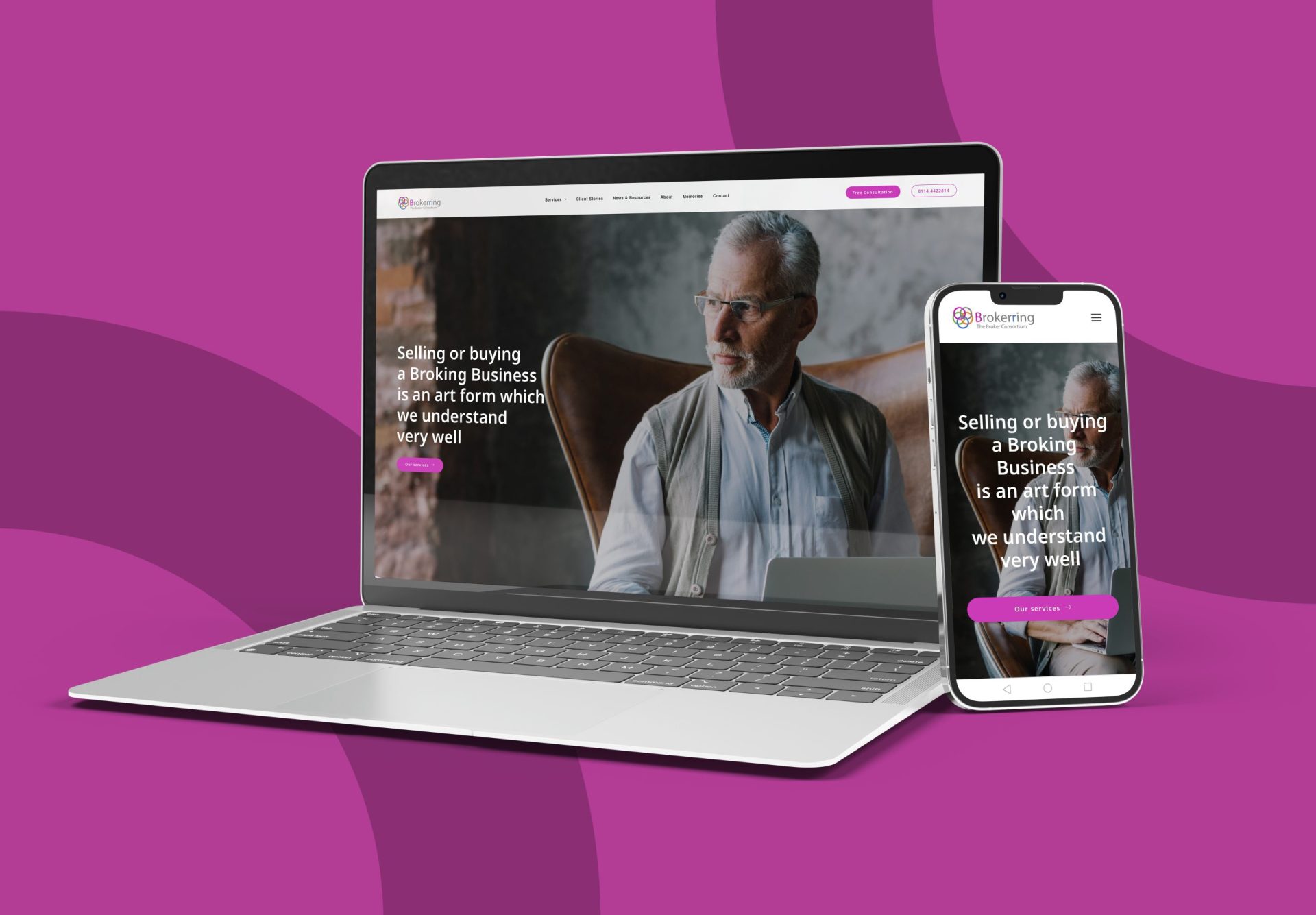
When Your Website Stops Working
Messaging
Most organisations know when their website looks outdated.
Fewer know when it has stopped working strategically.
A website can be technically sound, visually polished, and still quietly underperform. Not because of design quality, but because it no longer supports how the business operates today.
What “Not Working” Usually Looks Like
A website that isn’t doing its job often shows up as:
- Low-quality enquiries
- Visitors not understanding what you do
- Long conversations to explain your value
- Content that feels disconnected or unclear
- Teams avoiding sending people to the site
These are rarely design problems in isolation.
The Role of a Website Has Changed
Websites are no longer just:
- Digital brochures
- Portfolios
- Places to host information
For most organisations, a website now needs to:
- Clarify positioning
- Support sales conversations
- Qualify enquiries
- Reinforce credibility
- Align with wider marketing activity
When the site doesn’t do these things, friction appears everywhere else.
Why Website Projects Often Miss the Mark
Common reasons include:
- Unclear objectives
- Trying to please everyone
- Prioritising aesthetics over clarity
- Treating content as an afterthought
- Rebuilding the site without revisiting messaging
The result is a website that looks better but behaves the same.
What a Strategic Website Focuses On
Before design, the right questions are:
- Who is this site primarily for?
- What should visitors understand in seconds?
- What action do we want them to take?
- What needs to be removed, not added?
Clarity here reduces complexity everywhere else.
When It’s Time to Rethink Your Website
A strategic rethink is usually needed when:
- Your business has evolved but the site hasn’t
- You’re attracting the wrong type of enquiry
- Marketing activity feels disconnected from the site
- Teams interpret the site differently
- Updates feel risky or painful
At this point, improving performance isn’t about small tweaks, it’s about realignment.
A website doesn’t need to do everything. It needs to do the right things well.
When your website is clear, confident and aligned, it becomes a quiet but powerful asset. Supporting marketing, sales and growth without constant intervention.

When a Full Rebrand Is the Right Move
Messaging
Rebrands tend to polarise opinion.
For some organisations, a rebrand feels overdue. For others, it feels risky, expensive, or unnecessary.
The reality is that a rebrand isn’t something to want or avoid, it’s something to diagnose. Done at the right moment, it can unlock growth. Done at the wrong time, it creates disruption without benefit.
This article helps clarify when a full rebrand is genuinely the right move and when it isn’t.
What a Rebrand Actually Is
A rebrand isn’t just a new identity. It’s a reset of how the organisation presents itself to the world.
That usually includes:
- Positioning and perception
- Messaging and tone
- Visual identity
- How the brand shows up across every touchpoint
Because of that, rebrands affect far more than marketing. They impact sales, recruitment, culture, and confidence.
When a Rebrand Makes Sense
A full rebrand is usually justified when one or more of the following are true:
1. The business has fundamentally changed
This could be:
- A shift in audience
- A new offer or business model
- A move into different markets
- Growth that’s outpaced the brand
If the brand no longer represents what the organisation actually is, alignment becomes harder every year.
2. Perception is actively holding the business back
This shows up as:
- Being seen as smaller than you are
- Being misunderstood or underestimated
- Attracting the wrong type of work or client
- Constantly having to explain yourselves
3. Internal confidence in the brand has gone
When teams:
- Interpret the brand differently
- Feel unsure how to use it
- Don’t believe it reflects the organisation anymore
That lack of confidence leaks externally. A rebrand can realign everyone around a shared direction.
The Real Risk of Rebranding
The biggest risk isn’t changing too much, it’s changing without purpose.
Common rebrand failures come from:
- Rushing to visuals
- Copying competitors
- Skipping strategic groundwork
- Underestimating rollout and adoption
A rebrand should reduce friction, not introduce more.
What a Strategic Rebrand Focuses On First
Before design, a strong rebrand asks:
- What do we want to be known for now?
- Who are we really trying to reach?
- What do we need to let go of?
- What must remain recognisable?
Only once those answers are clear does visual change make sense.

Creative62 Co-Founder Mark Robinson Appointed Entrepreneur in Residence at University of Leicester
Messaging
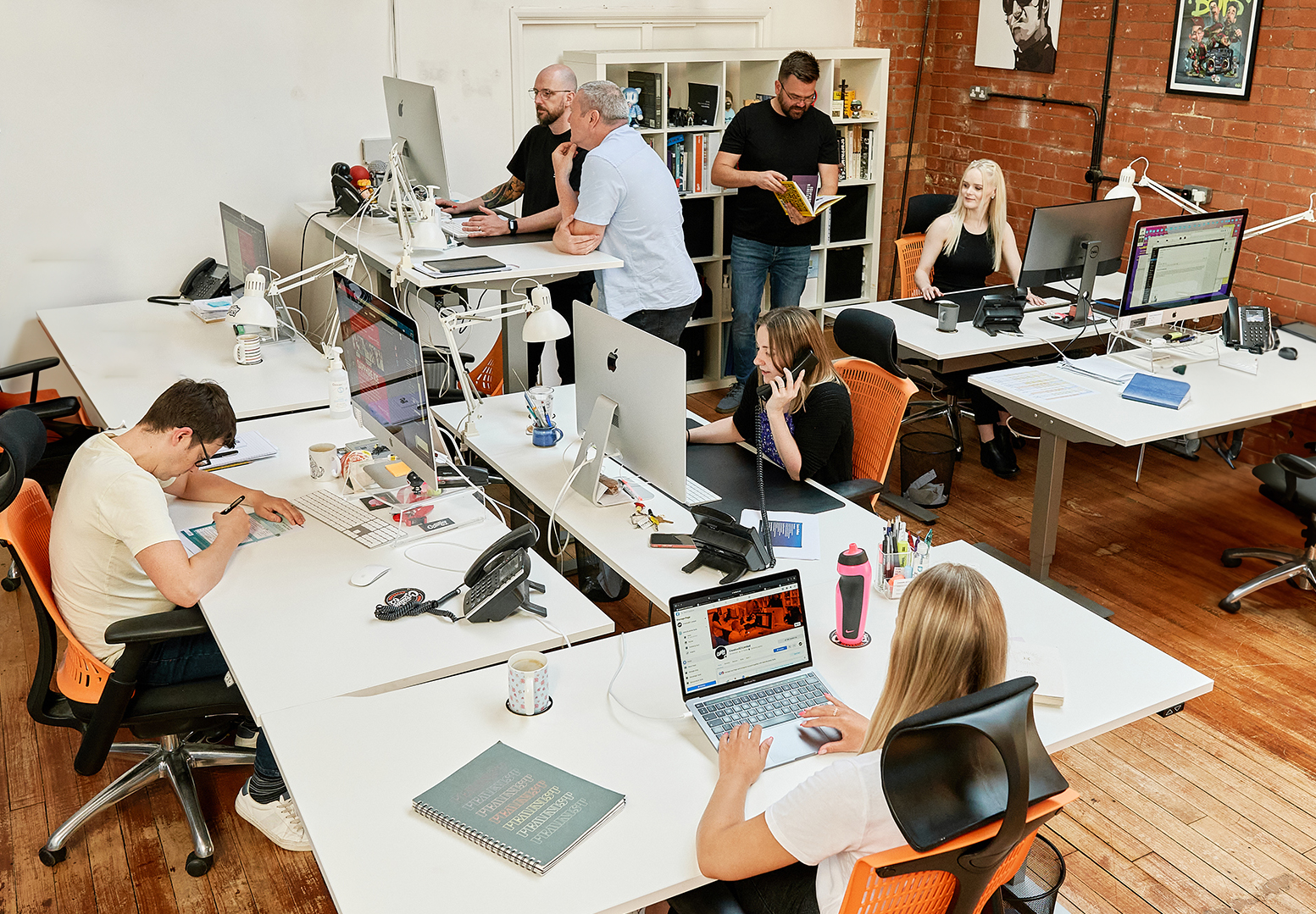
University of Leicester has appointed Creative62 co-founder Mark Robinson as an Entrepreneur in Residence, strengthening the connection between ambitious students and the realities of modern brand-building.
For us at Creative62, this isn’t just a title. It’s a natural extension of what we believe great branding should do: connect ideas with impact.
Bridging Academia and Real-World Brand Experience
Over the past year, Mark has contributed to guest lectures, live briefs and marketing programme projects within the University’s School of Business. His appointment formally recognises the impact of bringing agency-side thinking directly into the classroom.
At Creative62, we’ve always believed students benefit most when academic insight is paired with live commercial experience. The challenges, constraints and creative tensions that shape real brands in real markets.
Mark’s role will allow:
- One-to-one mentoring with aspiring founders
- Feedback on early-stage business ideas
- Support for enterprise projects inside and outside the curriculum
- Greater collaboration between local businesses and the University
This reflects something we’ve long championed: stronger on- and off-campus commercial relationships.
Why This Matters to Creative62
Creative62 was built on the belief that bold thinking and commercial clarity should go hand in hand. Supporting the next generation of entrepreneurs is part of that responsibility.
Leicester has an incredibly diverse and ambitious business community. Through this role, alongside Mark’s work with organisations such as Leicestershire Business Voice and the Blaby Business Board. We’re continuing our commitment to strengthening the regional economy and nurturing future talent.
When students understand branding not just as aesthetics, but as positioning, differentiation and long-term value creation, they build stronger ventures from day one.
A Shared Vision for the Future of Education
Mark said:
“The next phase of education is about developing much stronger on- and off-campus commercial relationships, places where academic knowledge blends with real-world commercial experience and insight. The University of Leicester is leading the way with its Entrepreneur in Residence Network. It’s a privilege to be involved, and I’m excited to see what we can achieve together.”
From our perspective, this partnership represents something bigger: a shift in how universities and agencies collaborate to shape future business leaders.
We’re proud to see Creative62 thinking represented at this level and even more excited to support the ideas that will emerge from it.
How to Diagnose What Your Brand Really Needs
Messaging
(Before You Invest in Design, Campaigns or a Rebrand)
When brand performance dips, the instinct is often to act quickly.
A new campaign. A refreshed website. Updated visuals.
But many brand problems aren’t caused by a lack of activity, they’re caused by misdiagnosis. And investing in the wrong solution, even a well-executed one, rarely fixes the underlying issue.
Before deciding what to do next, it’s worth taking a step back and asking what your brand actually needs right now.
Why Brand Problems Are Often Misdiagnosed
Brand issues tend to show up as symptoms:
- Low engagement
- Poor conversion
- Inconsistent messaging
- Weak recognition
- Feeling “outdated”
The mistake is treating these symptoms as the problem itself.
In reality, they’re usually signals of something deeper: clarity, relevance, positioning, or alignment.
A Simple Way to Diagnose the Real Issue
Instead of jumping to solutions, work through the four areas below. Most brand challenges sit primarily in one of them.
1. Clarity: Do people understand what you do and why it matters?
If your brand lacks clarity, you may notice:
- People asking basic questions you assumed were obvious
- Long explanations during sales conversations
- Inconsistent descriptions across teams
- Messaging that feels vague or interchangeable
If clarity is the issue, design changes alone won’t help. The work needs to focus on sharpening messaging, positioning and language.
2. Relevance: Are you still meaningful to the audience you want?
Relevance problems often appear when:
- The market has moved on
- Customer needs have changed
- Competitors feel more current or aligned
- Your offering has evolved, but your brand hasn’t
In these cases, the brand may still be recognisable, but it no longer feels right. This is where strategic realignment, not necessarily reinvention, becomes important.
3. Trust: Does the brand feel credible and confident?
Trust issues can show up as:
- Hesitation before enquiries convert
- Prospects needing reassurance
- Reliance on personal explanations rather than brand assets
- Difficulty justifying value
Here, the brand often needs stronger proof points, clearer articulation of value, and more consistency across touchpoints, not louder messaging.
4. Alignment: Is the brand working internally as well as externally?
Internal misalignment is one of the most overlooked brand problems.
Signs include:
- Teams interpreting the brand differently
- Inconsistent execution across channels
- Uncertainty about tone, messaging or priorities
- Marketing feeling harder than it should be
If alignment is the issue, the solution usually sits in foundations, guidance and shared understanding, not surface-level updates.
What to Do Once You’ve Diagnosed the Issue
Once the core issue is clear, the right next step becomes much easier to identify:
- Clarity issue? → Messaging and positioning work
- Relevance issue? → Strategic brand refresh or repositioning
- Trust issue? → Content, proof, consistency and experience
- Alignment issue? → Brand foundations, frameworks and internal rollout
Not every problem requires a rebrand. Not every solution needs design.
Final Thought
Strong brands aren’t built by doing more, they’re built by doing the right things in the right order.
Taking the time to diagnose what your brand really needs before investing in solutions doesn’t slow progress down. It prevents wasted effort and creates momentum where it matters most.

Why Strategy Comes Before Design
Messaging
We love design. It’s what we do at Creative62. But we always lead with Strategy, otherwise things can look great but miss the mark. Strategy thinking, married with excellence in creative execution, is something we do really well.
That’s why we always start with strategy.
It’s Easy to Jump Straight Into Design
Most briefs sound familiar: we need a new website, our brand feels dated, this doesn’t look right anymore. Design is the obvious fix and the fun part.
But when you skip the thinking and go straight to making, you end up designing on assumptions. That’s when projects drag, feedback clashes, and the work loses focus.
Strategy Is Just Clarity
For us, strategy isn’t complicated. It’s about asking a few important questions upfront:
- Who are we talking to?
- What do we want them to do?
- What problem are we really solving?
Once those answers are clear, everything else gets easier.
Better Strategy = Better Design
When strategy leads, design stops being about personal taste and starts being about purpose. Decisions are faster. Feedback is clearer. The work feels more confident.
Design becomes something that actually works, not just something that looks good.
Our Belief
At Creative62, strategy gives design direction. Design brings that direction to life.
That’s why we believe strategy should always come before design.

Creative Thinking vs Creative Execution
Messaging
Creative thinking and creative execution often get lumped together. They’re related, but they’re not the same and confusing the two is where a lot of projects fall apart.
At Creative62, we see them as two very different (but equally important) parts of the creative process.
Creative Thinking Is About the Idea
Creative thinking happens before anything is made.
It’s the messy part. The questioning. The conversations that challenge assumptions and uncover better ways of doing things. This is where we figure out:
- What’s the real problem we’re solving?
- What’s the smartest idea behind this?
- How can this brand stand out in a meaningful way?
Creative thinking sets the direction. Without it, you might execute beautifully, just in the wrong direction.
Creative Execution Is About Bringing It to Life
Creative execution is where ideas become real.
This is the craft: design, copy, motion, build, and detail. It’s about how something looks, feels, and works in the real world. Strong execution makes ideas clear, engaging, and usable.
But execution can only be as good as the thinking behind it.
Where Things Go Wrong
Most problems don’t come from poor execution. They come from weak or rushed thinking.
When teams skip the thinking phase, execution is forced to carry the weight. That’s when work looks polished but feels empty or when endless tweaks try to fix an idea that wasn’t right to begin with.
How We Approach It at Creative62
We separate thinking from making, on purpose.
First, we slow down and think. We explore ideas, test logic, and get aligned. Then we move into execution with confidence, knowing exactly what we’re bringing to life and why.
That’s when the work clicks.
The Takeaway
Creative thinking gives work meaning. Creative execution gives it form.
You need both but in the right order.
At Creative62, we believe great work doesn’t start with execution. It starts with thinking.

Trends We’re Watching in 2026
Messaging
Trends come and go. Some are just visual noise, others signal real shifts in how brands think, act, and connect with people.
As we head into 2026, we’re paying less attention to what looks new and more attention to what’s actually changing behaviour. Here are a few trends we’re watching closely.
1. Less Noise, More Meaning
Brands are pulling back.
After years of loud visuals, bold-for-the-sake-of-bold identities, and constant content, we’re seeing a move towards clarity and restraint. Simpler systems, fewer messages, stronger ideas.
Not minimal for style points, minimal because it works.
2. AI as a Creative Partner (Not a Shortcut)
AI isn’t replacing creativity, but it is reshaping the process.
Used well, it speeds things up, unlocks exploration, and helps teams think broader. Used poorly, it flattens ideas and creates sameness.
In 2026, the difference won’t be who uses AI, it’ll be who uses it with taste, judgement, and intent.
3. Brands Acting More Like Products
People now expect brands to behave like well-designed products: intuitive, useful, and constantly improving.
That means fewer “campaign-only” moments and more focus on the full experience, from first touchpoint to long-term use. Strategy, UX, and brand are no longer separate conversations.
They’re the same one.
4. Personality Over Perfection
Perfect design is starting to feel cold.
We’re seeing more brands embrace warmth, imperfection, and personality. Not in a messy way, but in a human one. Design that feels considered, not manufactured. Confident, not overworked.
People connect with brands that feel real.
5. Digital Experiences With Depth
Fast, functional digital experiences are the baseline now. What’s next is depth.
More thoughtful interactions. Subtle motion. Clear storytelling. Experiences that reward attention instead of demanding it.
Less doing everything. More doing a few things really well.
Our Take
Trends shouldn’t drive decisions but they can reveal where things are heading.
In 2026, the strongest brands won’t be chasing what’s new. They’ll be doubling down on clarity, usefulness, and ideas that last. Need help? Let’s talk.

How Traditional Marketing Still Plays a Role in a Digital World
Messaging
With digital platforms dominating today’s conversations, it’s tempting to think that traditional marketing is outdated. But here’s the truth: traditional and digital marketing don’t compete, they complement each other.
From print ads to direct mail to in-person events, traditional channels continue to create impact when integrated into a modern marketing mix. Here’s why they still matter, and how to use them effectively in a digital-first world.
1. Tangibility Builds Trust
There’s something powerful about holding a beautifully designed brochure, receiving high-quality packaging, or seeing a billboard in a busy city center. These physical touchpoints create a sense of credibility and permanence that digital alone can’t replicate.
When paired with digital, traditional assets reinforce brand recognition. For example:
- A print magazine ad that drives readers to a social hashtag.
- A branded direct mail piece with a QR code linking to a landing page.
2. Reaching Audiences Where Digital Doesn’t
Not every audience is glued to their phone 24/7. Traditional marketing still shines for:
- Local communities (billboards, flyers, event sponsorships).
- Older demographics who may prefer print or broadcast media.
- In-person environments like trade shows or retail spaces.
By layering traditional channels with digital ones, brands can reach broader and more diverse segments.
3. Creating Memorable, Multi-Sensory Experiences
Digital is powerful, but it’s often fleeting. Traditional marketing taps into more senses; sight, touch, even sound in the case of radio or experiential activations. These experiences stick with people and give campaigns staying power.
Example: A pop-up installation promoted on Instagram can create buzz online and a physical, immersive brand moment offline.
4. The Power of Integration
The most effective strategies combine traditional and digital seamlessly. Some ideas:
- Direct mail + retargeting ads: Send a physical piece, then follow up with digital ads to reinforce recall.
- Event marketing + social content: Use live events as content engines for digital storytelling.
- Broadcast + hashtags: TV or radio ads that encourage real-time interaction on social platforms.
The result is a brand experience that feels consistent, omnipresent, and engaging across all touchpoints.
5. Measuring Impact in New Ways
One of the biggest critiques of traditional marketing has always been measurement. But with digital tools, even offline campaigns can now be tracked. QR codes, unique promo codes, and custom landing pages bridge the gap between print or broadcast and online analytics.
Final Thoughts
In a world where digital dominates, traditional marketing still plays a crucial role. It provides tangibility, broadens reach, and deepens engagement in ways digital can’t achieve alone.
The future isn’t about choosing between the two, it’s about blending traditional and digital into one cohesive strategy that meets people wherever they are.
At Creative62, we help brands craft campaigns that seamlessly integrate both worlds, building timeless trust while embracing modern reach.